
Brown, Blue, Hazel, or Green? The Trick of Light Behind Your Iris
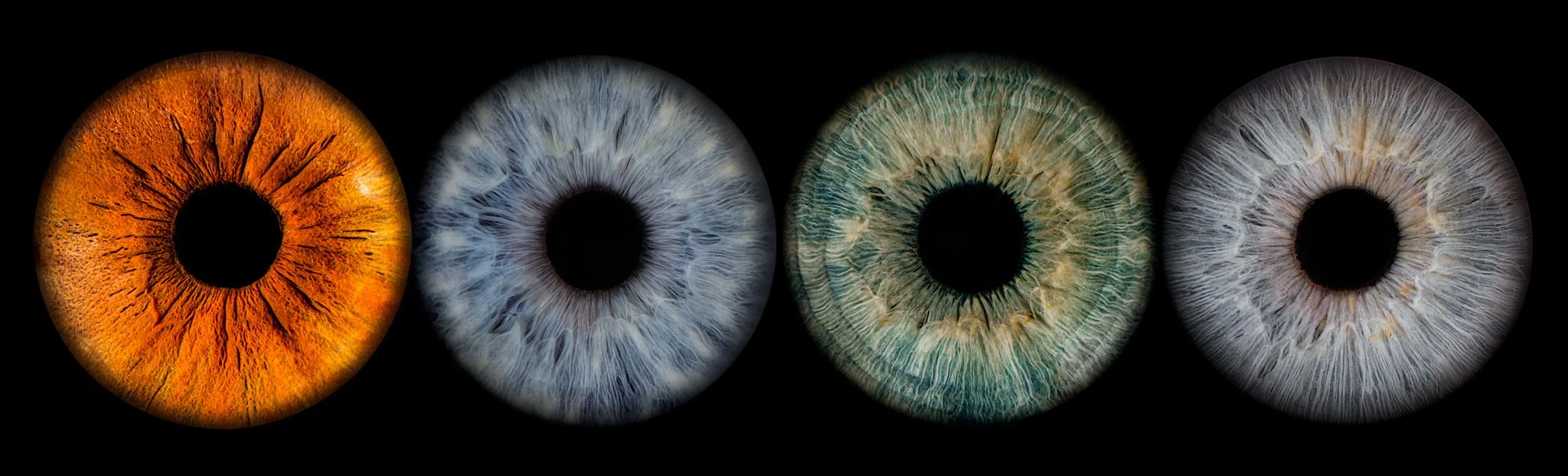
Have you ever wondered why human eyes come in so many striking shades—from deep espresso to icy blue, forest green, and golden hazel?
It turns out your eye color isn’t painted with different colored pigments. Instead, it’s an optical illusion created by a single pigment and a trick of the light.
There’s Really Only One Pigment: Melanin
The secret to all eye colors is melanin—the exact same natural pigment that gives your skin and hair their color. There are no blue, green, or hazel dyes in human eyes.
Your iris (the colored ring around your pupil) has a front layer and a back layer:
The back layer has dark brown pigment in almost everyone.
The front layer is where the magic happens. How much melanin you have in this front layer decides your eye color.
How Different Colors Happen
Think of the front of your eye like a filter:
Brown Eyes: Packed with melanin. Because the pigment absorbs light, the eye simply looks rich and brown.
Blue Eyes: Virtually zero melanin in the front layer. When light hits the clear tissue fibers, it scatters—and shorter blue light bounces back out. It's the exact same reason the sky looks blue on a clear day!
Green & Hazel Eyes: A moderate mix. A light dusting of yellowish-brown melanin blends with the scattered blue light, creating shades of green, amber, or shifting hazel.
Why Genetics Isn't as Simple as We Thought
You might remember learning in school that eye color is controlled by a simple "brown dominates blue" rule. Scientists now know it is far more complex:
At least 16 different genes work together like a dimmer switch, turning melanin production up or down.
Family surprises happen. Because so many genes are involved, two blue-eyed parents can occasionally have a brown-eyed child, and brown-eyed parents often have kids with light eyes.
In short, your eye color is simply your body's personal recipe of melanin combined with how light bounces off the microscopic structure of your eyes.